The Indoor Snow Centre Armour Audit: Why Lighter Often Rides Better in 2026
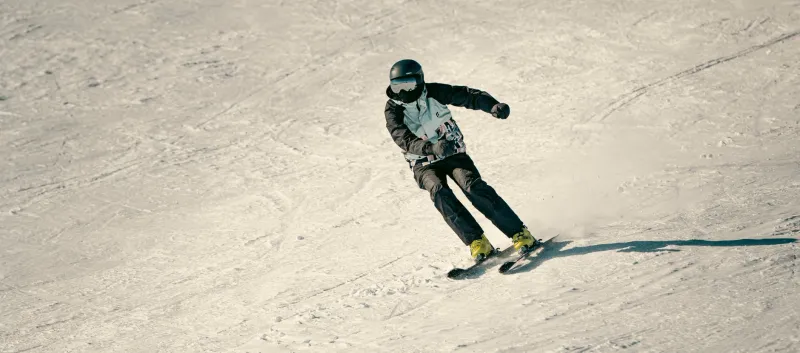
Alpine body armour has a clear job. It is built for cold, fast, variable terrain where a fall can involve rocks, trees and serious speed. A UK indoor snow centre is not that. I say this as someone who likes a proper back protector and a full-face helmet as much as anyone. But after another session at a crowded UK slope, I am convinced that most recreational skiers and boarders are over-armoured for the environment and under-protected in the places that actually matter.
The mismatch: alpine armour, indoor reality
Indoor snow centres and dry slopes are brilliant, accessible and deeply British. Think Chill Factore, The Snow Centre, SnowDome and the dry slopes that keep skills ticking over between trips. Temperatures are cold but controlled. Snow is groomed and predictable. Speeds are modest for most people. The main hazards are other people, icy patches, lift queues, beginners falling unexpectedly and the odd edge catching on a flat run.
Alpine armour is designed for high-speed impacts on hard, variable terrain. That is not the same job. A full hard-shell spine rig can restrict breathing and movement, and it can cook you on a busy indoor slope. Overheating makes you ski worse, and skiing worse makes you more likely to fall. A heavy rig can also give a false sense of security. The result is often a sweaty, restricted session with padding in the wrong places and a tailbone that is still exposed.
The three priorities: wrists, tailbone, knees
For most people at a UK snow centre, the highest-return protection is not a spine board. It is wrist guards, impact shorts and knee pads. Wrist injuries are common when you fall onto an outstretched hand, especially as a beginner. A good wrist guard under or over your glove is low-bulk and cheap compared with a lost season. Tailbone protection matters because beginner falls are often backwards and land on the same spot. Slim impact shorts make a real difference without turning you into a snowboarding robocop.
Knees take a beating too: snowplough turns, lift queues, board edges and the general business of learning. A slim knee pad is worth more than a bulky shoulder cap for most recreational sessions. Elbow pads are a reasonable add-on if you are spending time in the park or on rails. A helmet is non-negotiable. That is not an armour debate; it is basic kit.
Build a lighter 2026 setup
Start with a thin merino or synthetic base layer that moves sweat. Add low-profile impact shorts with tailbone and hip coverage. Add wrist guards that fit under your gloves without cutting off circulation. Add slim knee pads that stay put when you flex. If you are hitting jumps, add elbow pads. If you are racing or doing serious off-piste training, a back protector still makes sense. For a recreational session at an indoor centre, it is often optional.
The test is simple: can you raise your arms, twist your torso and breathe deeply without the kit fighting you? If not, it is too much for the job. Soft-shell pads are generally more comfortable than hard-shell for indoor use, and they are less likely to catch on lift furniture. Layering matters more than bulk. You want to be warm on the lift and not boiling on the slope.
Rental kit: use it, but audit it
Rental kit is convenient, and for a one-off session it is fine. But it is shared kit, and fit varies. Helmets can be worn, straps can be tired and pads can be missing entirely. Check the fit before you leave the hire desk. If rental wrist guards are not available, bring your own. If the rental impact shorts feel like a nappy, do not assume they will stay in place. If the knee pads rotate when you squat, ask for another size.
Hygiene is part of the compromise too. A thin base layer under rental gear is sensible. If you become a regular, own the small stuff: wrist guards, impact shorts and knee pads are not expensive and they make a disproportionate difference.
The 2026 season test
Try one session in a lighter setup and compare how you feel. Are you less fatigued? Are you warmer or cooler? Do you have more confidence? If you feel underprotected, add one item rather than a full alpine rig. The goal is not to look like you are filming a freeride segment. The goal is to slide again tomorrow and enjoy the session.
UK snow centres are a brilliant place to learn and keep skills sharp. The kit should match the slope, not the brochure from a resort. For the 2026 season, audit your armour, protect your wrists, tailbone and knees, and leave the full alpine rig for the trip where it actually belongs.